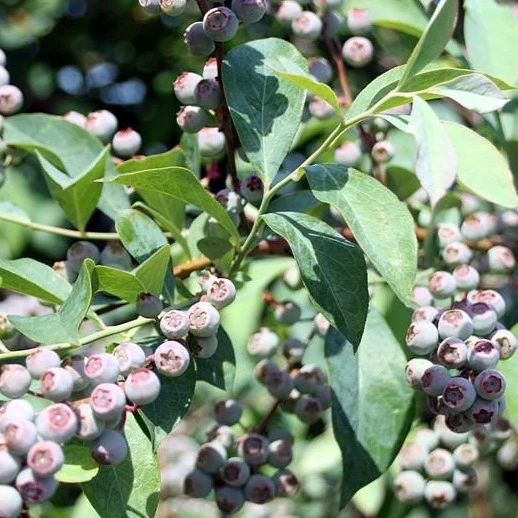
Georgia Gem Blueberry Bush
Introduction
Self Pollinating Blueberry Bush!
- Heat and Drought tolerant fruit plant
- Mid-season blueberry harvest
- Only 1 plant needed!
- Makes an attractive landscape shrub
Description
The Georgia Gem blueberry bush is a Southern High bush variety that grows well in the southern US. The Southern High Bush Blueberry plants were hybridized for their superior fruit, soil adaptability, and heat tolerance. Southern High bush blueberries do not require a second blueberry plant because they are self-fertilizing, which is great if you have limited planting space.
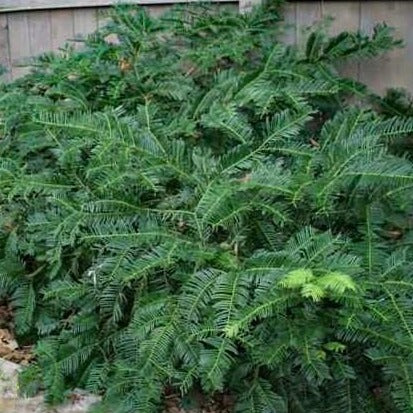
The Georgia Gem Blueberry bush is an excellent choice if you want to grow your own fruit. It withstands high temperatures and does not require a second plant for cross pollination. The Georgia Gem produces blooms in early spring, and will have ripe berries in early May to June.This bush grows 6-8 ft tall and wide and has dark green foliage.
 |
How To Care
When planting your Georgia Gem Blueberry be sure to choose the right location and conditions for your new plant to thrive. Spring and Fall are ideal times to plant. However, if you avoid extreme temperatures you can plant your Blueberry almost any time of the year.
Blueberry shrubs thrive in full sun and well-drained, moist, acidic soil. Blueberries grow best in a pH of 4.5 to 5.5. If you have alkaline soil, be sure to amend your soil. To acidify your soil, amend with compost, elemental sulfur. Mulching with pine straw or pine bark will help over time as they begin to break down, but are not an immediate solution. To improve drainage in something like a heavy clay soil, add compost and be sure to loosen up the soil well before planting.
Water deeply when planting and 2-3 times weekly for 3 months while your Blueberry plant is establishing. During the growing and fruiting seasons, a blueberry will do best if the soil is kept moist. Adding a layer of 2 to 3 inches of mulch is highly recommended for Blueberry bushes. Mulching helps to maintain soil moisture and gives added protection during extreme temperatures.
Fertilize when planting and in spring with our balanced, Very Berry fertilizer. Blueberries grown in containers will need fertilized 3 or 4 times per year during the growing season as nutrients leech out of the pot when you water. Prune your Blueberries in late winter to remove any dead, dying, or crowded branches and to maintain size. The Georgia Gem blueberry variety does not require a pollinator.

The best way to prevent disease and pests is by providing the appropriate care for your plants. Proper location choice, watering, and fertilization are the keys to your success. The biggest pests of blueberries are birds. You can put up bird netting to protect your crop. If positioned properly, this is an extremely effective deterrent. Most insect pests feed on the leaves of blueberries.
You can treat most of these pests naturally with horticultural oil, neem oil, or insecticidal soap. Blueberry Bushes can occasionally encounter fungal issues. Generally, treating after infection isn't extremely effective, so if you have problems yearly treat in early spring with fungicides to prevent infection. Neem Oil is an organic method of treating and preventing some fungal diseases and pests. The entire shrub must be coated in order for this method to be effective.
Landscape Ideas
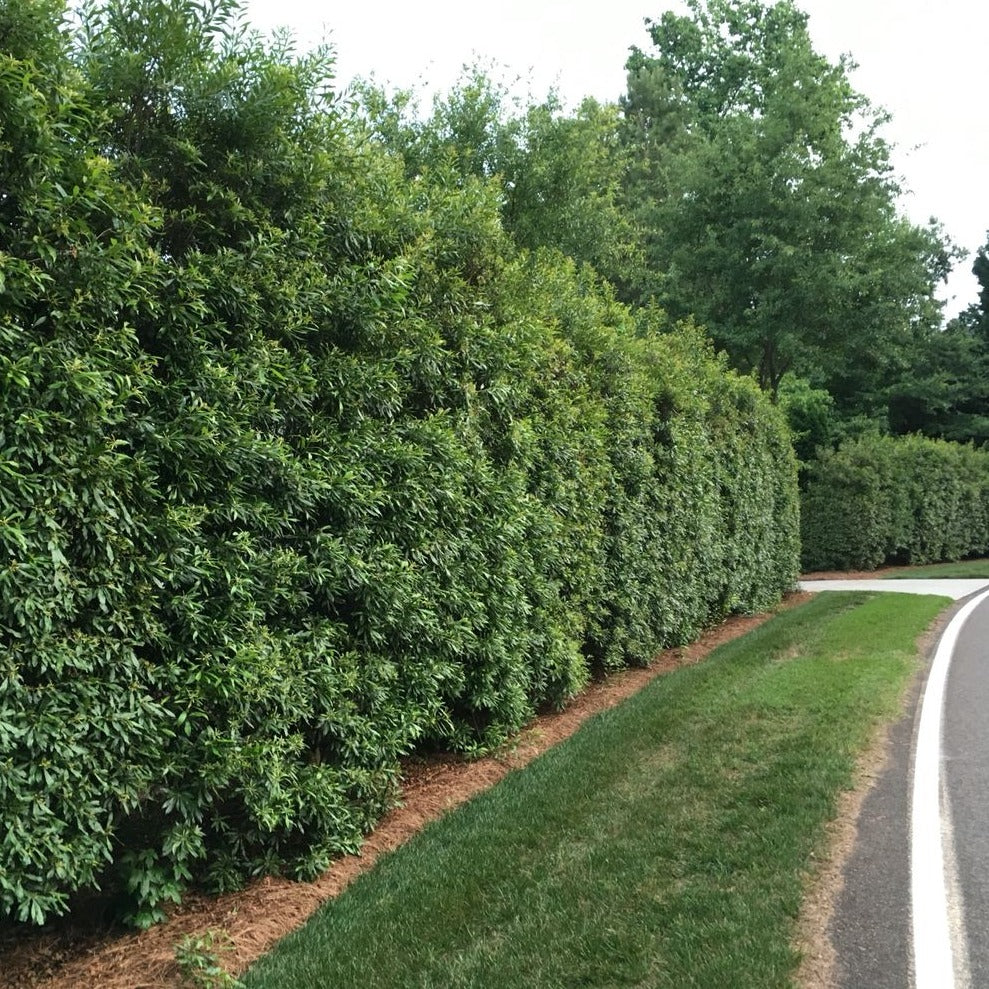
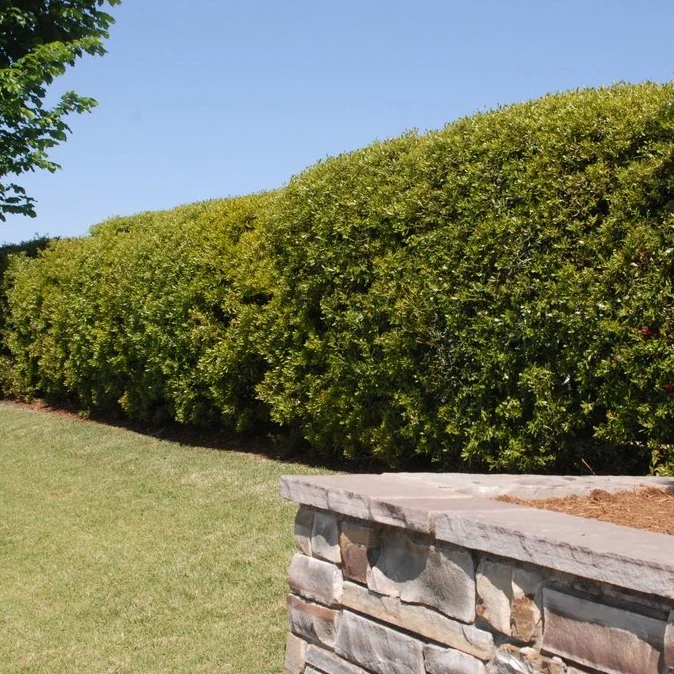
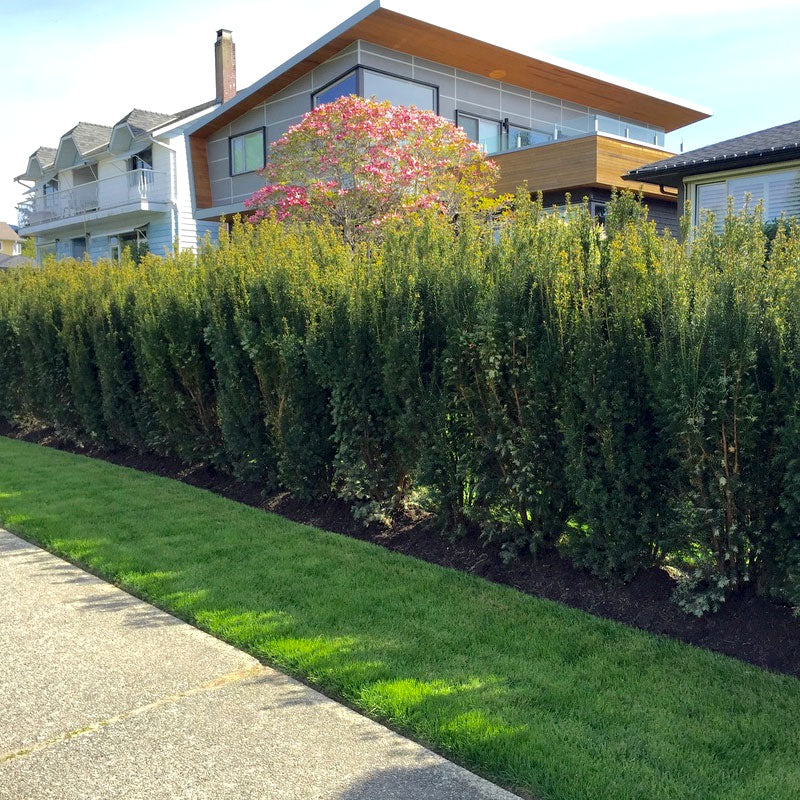
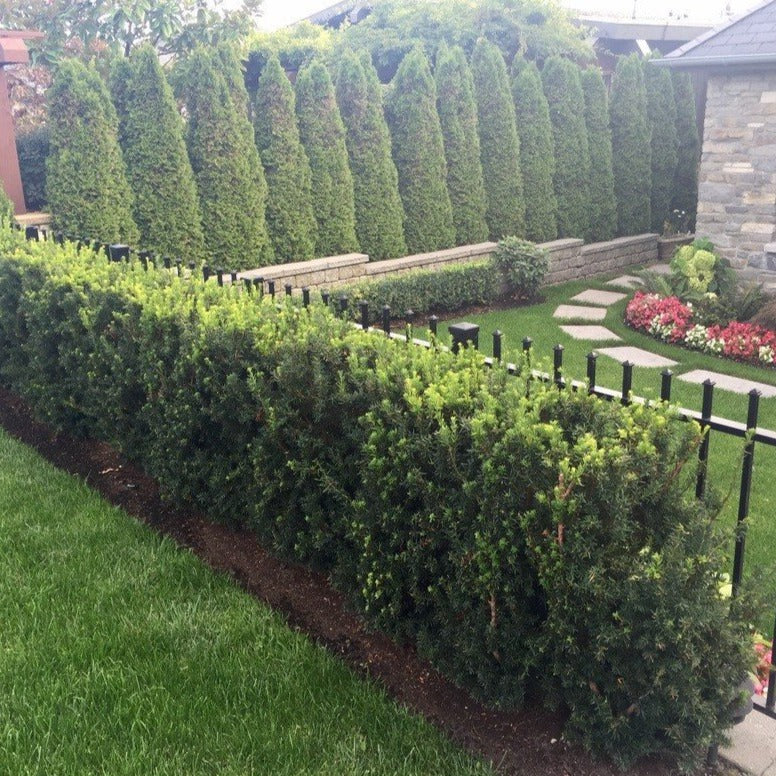
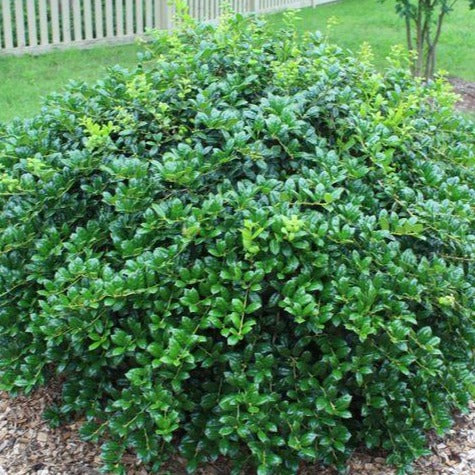
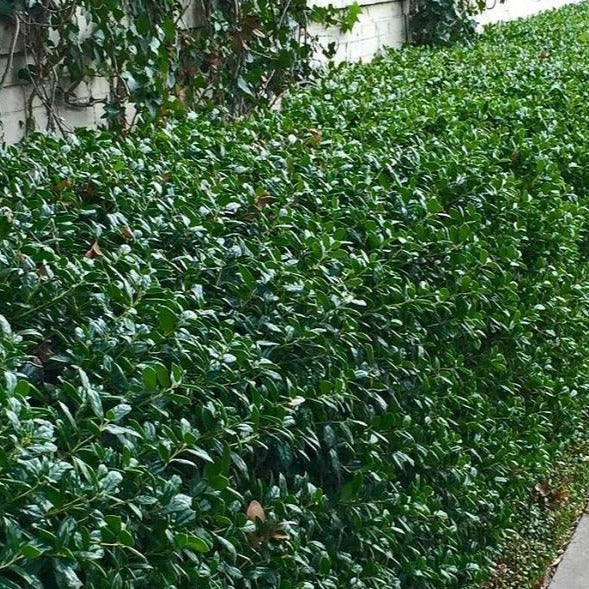
The Georgia Gem Blueberry bush makes a great landscape shrub. It can be used alone as a specimen shrub or planted in a group with other blueberry plants. If you desire to plant it with other blueberry bushes, it will benefit from cross pollination and you will be left with a higher fruit yield. The size of this bush also makes it great to use as a hedge.
Learn when to prune your flowering shrubs.
For additional options, be sure to browse our Blueberry Bushes, Dwarf Tree and Fruit Trees collections.
Introduction
Self Pollinating Blueberry Bush!
- Heat and Drought tolerant fruit plant
- Mid-season blueberry harvest
- Only 1 plant needed!
- Makes an attractive landscape shrub
Description
The Georgia Gem blueberry bush is a Southern High bush variety that grows well in the southern US. The Southern High Bush Blueberry plants were hybridized for their superior fruit, soil adaptability, and heat tolerance. Southern High bush blueberries do not require a second blueberry plant because they are self-fertilizing, which is great if you have limited planting space.
The Georgia Gem Blueberry bush is an excellent choice if you want to grow your own fruit. It withstands high temperatures and does not require a second plant for cross pollination. The Georgia Gem produces blooms in early spring, and will have ripe berries in early May to June.This bush grows 6-8 ft tall and wide and has dark green foliage.
|
How To Care
When planting your Georgia Gem Blueberry be sure to choose the right location and conditions for your new plant to thrive. Spring and Fall are ideal times to plant. However, if you avoid extreme temperatures you can plant your Blueberry almost any time of the year.
Blueberry shrubs thrive in full sun and well-drained, moist, acidic soil. Blueberries grow best in a pH of 4.5 to 5.5. If you have alkaline soil, be sure to amend your soil. To acidify your soil, amend with compost, elemental sulfur. Mulching with pine straw or pine bark will help over time as they begin to break down, but are not an immediate solution. To improve drainage in something like a heavy clay soil, add compost and be sure to loosen up the soil well before planting.
Water deeply when planting and 2-3 times weekly for 3 months while your Blueberry plant is establishing. During the growing and fruiting seasons, a blueberry will do best if the soil is kept moist. Adding a layer of 2 to 3 inches of mulch is highly recommended for Blueberry bushes. Mulching helps to maintain soil moisture and gives added protection during extreme temperatures.
Fertilize when planting and in spring with our balanced, Very Berry fertilizer. Blueberries grown in containers will need fertilized 3 or 4 times per year during the growing season as nutrients leech out of the pot when you water. Prune your Blueberries in late winter to remove any dead, dying, or crowded branches and to maintain size. The Georgia Gem blueberry variety does not require a pollinator.
The best way to prevent disease and pests is by providing the appropriate care for your plants. Proper location choice, watering, and fertilization are the keys to your success. The biggest pests of blueberries are birds. You can put up bird netting to protect your crop. If positioned properly, this is an extremely effective deterrent. Most insect pests feed on the leaves of blueberries.
You can treat most of these pests naturally with horticultural oil, neem oil, or insecticidal soap. Blueberry Bushes can occasionally encounter fungal issues. Generally, treating after infection isn't extremely effective, so if you have problems yearly treat in early spring with fungicides to prevent infection. Neem Oil is an organic method of treating and preventing some fungal diseases and pests. The entire shrub must be coated in order for this method to be effective.
Landscape Ideas
The Georgia Gem Blueberry bush makes a great landscape shrub. It can be used alone as a specimen shrub or planted in a group with other blueberry plants. If you desire to plant it with other blueberry bushes, it will benefit from cross pollination and you will be left with a higher fruit yield. The size of this bush also makes it great to use as a hedge.
Learn when to prune your flowering shrubs.
For additional options, be sure to browse our Blueberry Bushes, Dwarf Tree and Fruit Trees collections.
Original: $25.95
-65%$25.95
$9.08Description
Introduction
Self Pollinating Blueberry Bush!
- Heat and Drought tolerant fruit plant
- Mid-season blueberry harvest
- Only 1 plant needed!
- Makes an attractive landscape shrub
Description
The Georgia Gem blueberry bush is a Southern High bush variety that grows well in the southern US. The Southern High Bush Blueberry plants were hybridized for their superior fruit, soil adaptability, and heat tolerance. Southern High bush blueberries do not require a second blueberry plant because they are self-fertilizing, which is great if you have limited planting space.
The Georgia Gem Blueberry bush is an excellent choice if you want to grow your own fruit. It withstands high temperatures and does not require a second plant for cross pollination. The Georgia Gem produces blooms in early spring, and will have ripe berries in early May to June.This bush grows 6-8 ft tall and wide and has dark green foliage.
|
How To Care
When planting your Georgia Gem Blueberry be sure to choose the right location and conditions for your new plant to thrive. Spring and Fall are ideal times to plant. However, if you avoid extreme temperatures you can plant your Blueberry almost any time of the year.
Blueberry shrubs thrive in full sun and well-drained, moist, acidic soil. Blueberries grow best in a pH of 4.5 to 5.5. If you have alkaline soil, be sure to amend your soil. To acidify your soil, amend with compost, elemental sulfur. Mulching with pine straw or pine bark will help over time as they begin to break down, but are not an immediate solution. To improve drainage in something like a heavy clay soil, add compost and be sure to loosen up the soil well before planting.
Water deeply when planting and 2-3 times weekly for 3 months while your Blueberry plant is establishing. During the growing and fruiting seasons, a blueberry will do best if the soil is kept moist. Adding a layer of 2 to 3 inches of mulch is highly recommended for Blueberry bushes. Mulching helps to maintain soil moisture and gives added protection during extreme temperatures.
Fertilize when planting and in spring with our balanced, Very Berry fertilizer. Blueberries grown in containers will need fertilized 3 or 4 times per year during the growing season as nutrients leech out of the pot when you water. Prune your Blueberries in late winter to remove any dead, dying, or crowded branches and to maintain size. The Georgia Gem blueberry variety does not require a pollinator.
The best way to prevent disease and pests is by providing the appropriate care for your plants. Proper location choice, watering, and fertilization are the keys to your success. The biggest pests of blueberries are birds. You can put up bird netting to protect your crop. If positioned properly, this is an extremely effective deterrent. Most insect pests feed on the leaves of blueberries.
You can treat most of these pests naturally with horticultural oil, neem oil, or insecticidal soap. Blueberry Bushes can occasionally encounter fungal issues. Generally, treating after infection isn't extremely effective, so if you have problems yearly treat in early spring with fungicides to prevent infection. Neem Oil is an organic method of treating and preventing some fungal diseases and pests. The entire shrub must be coated in order for this method to be effective.
Landscape Ideas
The Georgia Gem Blueberry bush makes a great landscape shrub. It can be used alone as a specimen shrub or planted in a group with other blueberry plants. If you desire to plant it with other blueberry bushes, it will benefit from cross pollination and you will be left with a higher fruit yield. The size of this bush also makes it great to use as a hedge.
Learn when to prune your flowering shrubs.
For additional options, be sure to browse our Blueberry Bushes, Dwarf Tree and Fruit Trees collections.